

Hyperhidrosis, a condition marked by excessive sweating, is a challenge school nurses are uniquely positioned to address. Early recognition and support can significantly improve students’ confidence, health, and overall well-being.
By understanding the signs, effects, and treatments of hyperhidrosis, school nurses can play a critical role in helping students manage this condition effectively.
What Is Hyperhidrosis?
Hyperhidrosis is a medical condition that causes the body to produce more sweat than is necessary for temperature regulation. It can be divided into two categories:
- Primary Hyperhidrosis: Often hereditary, it typically affects specific areas such as the palms, feet, and underarms.
- Secondary Hyperhidrosis: Caused by underlying medical conditions like thyroid dysfunction, diabetes, or hormonal imbalances.
In schools, primary hyperhidrosis is the more likely culprit, as it often begins during puberty—a pivotal stage for physical and emotional development.
Why Hyperhidrosis Support Matters in School
Excessive sweating may seem like a minor issue, but for students, it creates challenges that extend far beyond the physical symptoms.
- Impact on Academic Performance: Students with sweaty hands may struggle with tasks like writing, handling school supplies, or participating in activities requiring fine motor skills.
- Emotional Toll: Hyperhidrosis can lead to bullying, social withdrawal, and low self-esteem.
- Physical Discomfort: Damp clothing and footwear can cause irritation, rashes, or fungal infections.
Recognizing the Signs of Hyperhidrosis in Students
Hyperhidrosis affects approximately 4.8% of the U.S. population, often impacting palms, feet, and underarms. For students, it can manifest in ways such as:
- Frequent drops: Pens, sports equipment, or trays may slip from their grasp due to sweaty hands.
- Visible moisture: Damp socks and clothing changes despite dry weather.
- Social withdrawal: Fear of being teased or bullied for visible sweat stains.

Behavioral Clues
In addition to physical signs, hyperhidrosis can influence a student’s behavior:
- Avoidance of social or physical activities, such as gym class or group projects.
- Reluctance to shake hands or participate in public speaking.
- Noticeable anxiety or distress in situations where sweating may be visible.
Hyperhidrosis: More Than Physical
Excessive sweating can lead to a ripple effect on a student’s overall well-being. Studies published in journals like the National Center for Biotechnology Information (NCBI) reveal that untreated hyperhidrosis correlates with elevated rates of anxiety and depression. For school nurses, addressing these issues goes beyond physical treatment—it requires a holistic approach to mental health.
Treatment for Hyperhidrosis
Iontophoresis: A Proven Solution
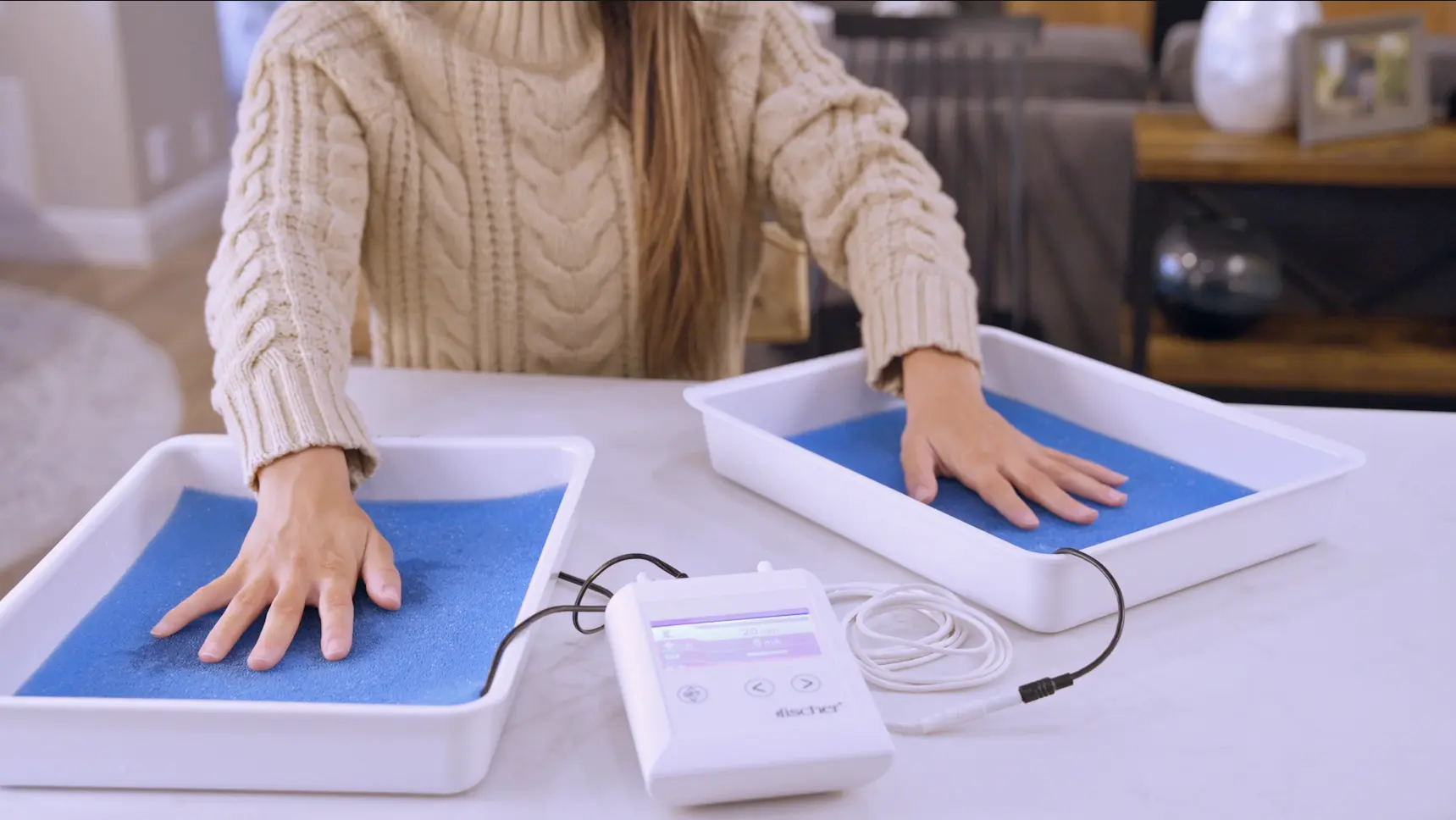
The Fischer iontophoresis device is a non-invasive, FDA-cleared treatment that reduces excessive sweating. The process works by pushing naturally occurring minerals in tap water, such as calcium and magnesium, into the sweat glands. These minerals create a temporary blockage in the pores, effectively minimizing sweat production.
The Fischer iontophoresis device offers significant benefits for students:
- Safe and Effective: Delivers results within weeks when used consistently.
- Customizable Comfort: Devices like The Fischer offer direct or pulsed current options for a tailored experience.
- Convenient: Designed for at-home use, allowing students to manage symptoms independently.
Other Treatment Methods
While iontophoresis is highly effective, students may explore additional options under medical supervision, such as:
- Antiperspirants: Prescription-strength solutions can provide temporary relief but may cause irritation.
- Botox Injections: Botox can provide temporary relief for severe hyperhidrosis but requires regular, costly injections. Side effects like pain, muscle weakness, and unintended impacts on surrounding areas make it less ideal for many individuals.
- Lifestyle Adjustments: Wearing moisture-wicking fabrics and using absorbent inserts in shoes or clothing can help.
Taking Action: How School Nurses Can Help
Building Awareness
Educating teachers, parents, and students about hyperhidrosis is crucial to reduce stigma and encourage treatment.
Encouraging Early Intervention
The sooner hyperhidrosis is addressed, the fewer long-term impacts students will face. Partnering with families and healthcare providers can ensure students receive the care they need.
Creating a Supportive Environment
Empathy and open communication are key to helping students feel safe and understood. Ensure students have access to resources and accommodations, such as extra time to freshen up during the school day.
Early intervention can change a student’s future. Addressing hyperhidrosis now means fewer struggles later.
Empower Students to Overcome Hyperhidrosis
By identifying and addressing hyperhidrosis early, school nurses can make a profound difference in students’ lives. Empowering students to manage their condition not only helps them feel comfortable but also sets them up for success both academically and socially.
Take the first step today—spread awareness and advocate for effective solutions!
THE FISCHER
Reach out today
Contact one of our Treatment Specialists today to answer any and all of your questions about the Fischer.
FAQs: Everything You Need to Know About Hyperhidrosis in Schools
Encourage students to thrive by recognizing and addressing hyperhidrosis—one step at a time!
What are the common signs of hyperhidrosis in students?
Students with hyperhidrosis often have sweaty palms, damp socks, and frequently drop objects like pens or sports gear. They may also change clothes often due to excessive sweating.
Can hyperhidrosis affect a student’s mental health?
Yes, untreated hyperhidrosis can lead to anxiety, depression, and social withdrawal. Early detection and treatment can prevent these challenges.
How does iontophoresis help with hyperhidrosis?
The Fischer iontophoresis device is a non-invasive, FDA-cleared treatment that temporarily reduces excessive sweating by utilizing mild electrical currents. The process works by pushing naturally occurring minerals in tap water, such as calcium and magnesium, into the sweat glands. These minerals create a temporary blockage in the pores, effectively minimizing sweat production.
What should school nurses do if they suspect a student has hyperhidrosis?
Speak with the student and their parents to explore potential causes. Referral to a dermatologist or physician for further diagnosis and treatment is recommended.
Is hyperhidrosis treatable without surgery?
Yes, non-invasive treatments like iontophoresis with The Fischer provide significant relief without the risks associated with surgery or medications.



Comments are closed.