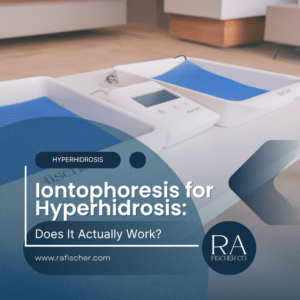
How to Choose an Iontophoresis Device
Most people who reach this point have already done the hard part: getting diagnosed, trying antiperspirants that didn’t work, and deciding that iontophoresis is worth a real shot. The question now is how to choose the right device, and that’s where things get confusing fast. Manufacturers all claim their device is “the best,” specs vary in ways that seem minor but aren’t, and some features that sound like marketing fluff actually matter a lot over months and years of regular use.
This guide covers the specific factors that separate a good iontophoresis device from one you’ll regret buying, and gives you a practical framework for making a decision based on your body, your treatment areas, and how you’ll actually use it day to day. If you’re ready to compare specific devices side by side, our iontophoresis device comparison hub lines up the major options against each other.
Quick Verdict
If you want the short version: prioritize adjustable current range, both direct and pulsed current modes, corrosion-resistant electrodes, and a manufacturer that provides real support. Devices vary significantly in these areas. A device that only offers pulsed current, for example, limits your treatment options from day one. And cheap electrodes that corrode within months will cost you more in replacements than you saved on the initial purchase.
How Iontophoresis Works
An iontophoresis device sends a mild electrical current through water (usually tap water) while your hands or feet are submerged in shallow trays. For underarm treatment, wet electrode pads are placed against the skin instead. The current drives mineral ions into the outer layers of the sweat gland ducts, which temporarily disrupts the signal that triggers sweat production.
This isn’t a permanent fix. Iontophoresis manages excessive sweating; it doesn’t cure it. Most people start with an initial phase of frequent sessions (typically every other day for a few weeks), followed by maintenance sessions to keep symptoms under control. That maintenance schedule varies from person to person.
The Daily Reality of Hyperhidrosis (and Why Device Choice Matters)
If you’re reading this, you probably already know what focal hyperhidrosis does to your daily life. But it’s worth spelling out, because the right device is the one that actually fits into your routine and addresses your specific challenges:
- Social situations: Handshakes, holding hands, passing documents to a colleague. Palmar hyperhidrosis makes every physical interaction a source of anxiety.
- Professional limitations: Musicians, surgeons, hairstylists, and anyone who works with their hands can find their careers directly affected.
- Technology frustrations: Touchscreens, fingerprint scanners, and trackpads don’t work well with wet fingers. Biometric authentication can become unreliable.
- Footwear and skin health: Plantar hyperhidrosis leads to slipping in shoes, blisters, and increased risk of fungal infections.
- Underarm sweating: Visible sweat stains affect clothing choices, confidence, and comfort throughout the day.
A device that’s uncomfortable, slow, or unreliable won’t get used consistently. And consistency is everything with iontophoresis. The best device is one you’ll actually stick with.
What to Look For: The Features That Actually Matter
Current Type: Direct vs. Pulsed
This is the single most important spec to understand.
Direct current (DC) delivers a continuous flow of electrical current. It’s the traditional mode for iontophoresis and is generally considered the most effective approach for managing hyperhidrosis symptoms.
Pulsed current delivers the current in short bursts with gaps in between. It’s gentler and causes less tingling or discomfort, which makes it a good option for people with sensitive skin or lower pain tolerance.
Think of it like this: picture driving a car. With direct current, it’s like driving steadily at 60 mph the whole way. You hold a consistent speed, so you reach your destination faster. With pulsed current, it’s like driving at 60 mph, easing off, then speeding back up, over and over. The ride feels gentler, but it takes longer to get to the same place. That’s the basic tradeoff: direct current prioritizes speed and effectiveness, while pulsed current prioritizes comfort.
A device that offers both modes gives you flexibility. You can start with pulsed current if you’re sensitive, then move to direct current as your skin adjusts. Or you can use direct current for hands and feet but switch to pulsed for underarms, where the skin tends to be more sensitive. Some devices only offer pulsed current, which is a real limitation, not just a minor spec difference. For a fuller breakdown of the two modes, see our guide on direct vs. pulsed current.
Current Range, Presets, and Adjustability
People respond to iontophoresis at different current levels. Someone with mild palmar sweating might get results at 8-10 mA, while someone with severe plantar hyperhidrosis might need 20 mA or higher. A device with a narrow range or coarse adjustments (jumping from 5 to 10 to 15 mA, for example) makes it harder to find your personal sweet spot.
Some devices use preset levels to simplify setup, which can help if you’d rather not fine-tune the current yourself. Just make sure the presets still cover a broad enough range for your needs. Look for a device that covers at least 1-25 mA with fine increments. The broader the range and the finer the control, the better you can tailor treatment to your comfort level and effectiveness needs.
Electrode Material and Longevity
This is the factor most buyers overlook, and it’s one of the biggest determinants of long-term cost, comfort, and treatment quality. It’s also more nuanced than it used to be: the old “metal versus everything else” framing no longer tells the whole story.
Some devices still use metal electrodes (aluminum or stainless steel). These corrode when exposed to tap water minerals over repeated sessions. Corrosion creates rough spots on the electrode surface, which leads to uneven current distribution and can cause skin irritation, stinging, or even small burns. Corroded electrodes need to be replaced, and replacement costs add up.
Other devices have moved to silicon-graphite electrodes, which resist corrosion and maintain consistent current delivery session after session. But not all silicon-graphite electrodes are built the same. Some are thin and paired with perforated silicone mats. The Fischer uses thicker, solid, hospital-grade silicon-graphite electrodes, built to last and to deliver current evenly across the full contact surface.
So when you compare electrodes, look past the material label to four things: the material itself, its thickness and build, its corrosion resistance, and what sits between the electrode and your skin.
The Material Between the Electrode and Your Skin
The contact layer is easy to ignore, but it affects both comfort and results. The Fischer uses pH-balancing foam inserts that provide continuous, cushioned coverage and are designed to help balance pH during treatment, which supports a more comfortable and consistent session. Other devices use thinner mats with large perforations, which cover less of the contact area. When you’re treating several times a week for years, that difference in cushioning and coverage adds up.
Treatment Areas and Simultaneous Use
Most people with hyperhidrosis sweat in more than one area. If you have both palmar and plantar hyperhidrosis (hands and feet), a device that can treat both simultaneously cuts your session time roughly in half. That’s a meaningful difference when you’re treating several times a week during the initial phase.
Check whether the device supports:
- Hands only
- Feet only
- Hands and feet simultaneously
- Underarms (requires separate electrode pads or accessories)
Not every device treats all three areas, and not every device that treats hands and feet can do both at the same time.
Power Source
Most modern home iontophoresis devices run on standard wall power with a built-in controller. A few older or budget models use batteries, including some that require proprietary batteries you can only buy from the manufacturer. Battery-powered devices can be less consistent as the battery drains, and proprietary batteries create an ongoing dependency on a single supplier.
Warranty and Customer Support
You’ll be using this device multiple times per week, potentially for years. Things can go wrong: a tray develops a crack, an electrode connector loosens, you have questions about adjusting your protocol. A manufacturer with responsive, knowledgeable support (ideally based in the U.S. if you’re a U.S. buyer) and a multi-year warranty makes a real difference in the ownership experience.
Comparing Specific Devices
Once you know what to look for, the next step is comparing real devices against these criteria. Rather than repeat a comparison here, we keep a dedicated, up-to-date comparison of the major iontophoresis devices that lines them up on current modes, electrode build, treatment areas, warranty, and support. You can also go straight to a head-to-head:
Insurance Coverage and Cost Considerations
Iontophoresis devices often qualify as durable medical equipment (DME) under health insurance plans when prescribed by a physician for diagnosed hyperhidrosis. Coverage varies widely between plans. If you want to know what your plan covers, the most reliable path is to check your coverage with our team rather than calling your insurer cold, since insurers often give inconsistent information about iontophoresis specifically.
Some manufacturers help with the insurance authorization process, which can save you significant time and frustration. Others leave the paperwork entirely to you and your doctor’s office. RA Fischer Co.’s paperwork is already designed to capture what the insurance process needs, so you and your provider don’t have to assemble it from scratch.
If your insurance doesn’t cover the device, or if you have a high-deductible plan, ask whether you can use HSA or FSA funds to purchase it. Iontophoresis devices prescribed for a medical condition typically qualify as eligible expenses under these accounts.
What to Expect During Treatment
If you’ve never done iontophoresis before, here’s a realistic picture of the process:
The Initial Phase
Most protocols call for sessions every other day for the first few weeks. Each session involves filling the trays with water, placing your hands or feet in the trays (or applying electrode pads to your underarms), setting the current level, and sitting still for the duration of the session.
You’ll feel a slight tingling sensation, similar to the feeling of your hands or feet starting to fall asleep. If it’s uncomfortable, you can lower the current. Pulsed current mode reduces the sensation significantly.
Results don’t happen overnight. Most people start noticing reduced sweating within one to three weeks of consistent treatment. Some respond faster; a few take longer.
The Maintenance Phase
Once you’ve achieved your desired level of dryness, you shift to maintenance sessions. Many people maintain their results with a treatment about every other week, though the exact schedule varies depending on the individual and how quickly sweating returns. The goal is to find the lightest schedule that keeps you dry. Consistency matters more than over-treating.
Tips for Better Results
- Water matters. If your tap water is very soft (low in minerals), the treatment may be less effective. Soft water is common if your home uses a water softener or a whole-house filtration system, both of which reduce the mineral content of tap water. If that’s your situation, adding 2 teaspoons of baking soda per tray with spring or mineral water can improve conductivity.
- Skin prep counts. Apply petroleum jelly to any cuts, hangnails, or cracked skin before treatment. Open skin conducts current more intensely and can cause discomfort.
- Be consistent. Skipping sessions during the initial phase extends the time to results. Treat it like a prescription: follow the schedule.
- Track your progress. Keep a simple log of session dates, current levels, and sweat levels. This helps you identify your optimal settings and maintenance frequency. RA Fischer offers a printable treatment journal you can use to stay on track.
Who Should Avoid Iontophoresis
Iontophoresis is safe for most people, but certain conditions are contraindications. Do not use an iontophoresis device if you:
- Have a cardiac pacemaker or other implanted electronic device
- Are pregnant
- Have metal implants (such as joint replacements) in the treatment area
- Have a metal IUD
- Have epilepsy
- Have significant skin damage, open wounds, or active infections in the treatment area
Always consult your physician before starting iontophoresis, especially if you have any underlying health conditions.
Frequently Asked Questions
How long does each iontophoresis session take?
Session length depends on the device and protocol. If you’re treating multiple areas sequentially rather than simultaneously, total treatment time increases accordingly.
Can I use tap water, or do I need special water?
Most people can use regular tap water. If your tap water is very soft or low in minerals, treatment effectiveness may decrease. Soft water often comes from a home water softener or whole-house filtration system. In that case, switching to spring or mineral water and adding 2 teaspoons of baking soda per tray can help.
How soon will I see results?
Most people notice reduced sweating within one to three weeks of consistent treatment. We recommend starting with sessions every other day rather than daily. Full results typically develop over the first month, and individual response times vary.
Do I need a prescription to buy an iontophoresis device?
Yes. Because The Fischer iontophoresis device is FDA-cleared, purchasing it requires a prescription. Your prescription also serves as the documentation you’ll need if you want to submit the purchase to insurance for coverage as durable medical equipment.
How often do I need maintenance sessions?
After the initial treatment phase, many people maintain their results with a treatment about every other week. The exact schedule depends on your individual response and how quickly sweating returns, so you’ll settle into your own rhythm over time. Consistency matters more than over-treating.
Can children use iontophoresis?
Iontophoresis can be used for children and adolescents with hyperhidrosis, but treatment should be supervised by a parent or caregiver and guided by a physician. Lower current settings are typically appropriate for younger patients.
Finding the Right Fit
Choosing a home iontophoresis device is a decision you’ll live with for years. The device that checks the most boxes for your specific needs (treatment areas, comfort preferences, insurance situation, and long-term durability) is the right one for you.
If you’re exploring your options and want help understanding what your insurance may cover, RA Fischer Co.’s U.S.-based team can walk you through the process. Verify your coverage and get answers to your specific questions before you commit.