Excessive sweating in unusual areas of the body—like your hands, feet, underarms, or even the groin—can be distressing and embarrassing. This condition, known as hyperhidrosis, affects millions worldwide and is more common than most people realize. Whether you’re noticing uncontrollable sweating during daily activities, at work, or in intimate situations, understanding hyperhidrosis is the first step toward managing it.
In this article, we’ll answer essential questions about hyperhidrosis, its symptoms, diagnostic methods, and effective treatments like iontophoresis.
Also: Managing Palmar Hyperhidrosis When Meeting the Parents: Confident First Impressions
What Are the Different Types of Hyperhidrosis?
Hyperhidrosis is divided into two main categories based on its cause and the areas affected:
Primary Focal Hyperhidrosis
- Definition: Primary focal hyperhidrosis is a chronic condition that causes sweating in specific body areas, such as the hands, feet, underarms, and face.
- Characteristics: It typically appears symmetrically, meaning it affects both sides of the body equally (e.g., both hands or both feet).
- Onset: Symptoms often begin during childhood or adolescence without any identifiable cause.
Also: Hyperhidrosis in the Workplace: Tips for Staying Professional and Confident
Secondary Generalized Hyperhidrosis
- Definition: This form of hyperhidrosis results from another medical condition or is a side effect of certain medications.
- Areas Affected: Sweating occurs over larger areas of the body and can happen during sleep.
- Common Causes: Medical conditions like diabetes, menopause, hyperthyroidism, or side effects of medications can trigger secondary hyperhidrosis.
If you suspect secondary hyperhidrosis, consult a doctor to determine the underlying cause. Additional tests may be needed to identify and treat the root problem effectively.
What Are the Symptoms of Hyperhidrosis?
Both types of hyperhidrosis share similar symptoms, including:

- Sweaty Hands (Palmar Hyperhidrosis): Persistent sweating that makes it difficult to grip objects, shake hands, or write.
- Sweaty Feet (Plantar Hyperhidrosis): Excessive moisture leading to slippery feet, odors, and discomfort in shoes.
- Underarm Sweating (Axillary Hyperhidrosis): Sweat patches that soak through clothing, leading to embarrassment.
- Facial Sweating: Excessive sweating on the forehead, cheeks, and scalp.
- Sweating in Intimate Areas: In some cases, sweating occurs in the groin, inner thighs, or pubic region, which can be particularly distressing.
For many individuals, these symptoms worsen during stressful situations, high temperatures, or physical activity.
Also: Hyperhidrosis Management this Valentine’s Day
How Do I Know If I Have Hyperhidrosis?
To diagnose hyperhidrosis, doctors may use several tests, including:
- Starch-Iodine Test: A special iodine solution is applied to the skin, and starch is sprinkled on top. Areas of excessive sweating will turn dark.
- Paper Test: Special absorbent paper measures the amount of sweat produced over a specific time.
- Laboratory Testing: Blood or urine tests help identify underlying causes in cases of secondary hyperhidrosis.
If you’re unsure whether your symptoms point to hyperhidrosis, schedule an appointment with your healthcare provider. Early diagnosis leads to faster, more effective treatment.
Also: Do I have hyperhidrosis or am I just sweaty?
What Are the Best Treatments for Hyperhidrosis?
Fortunately, hyperhidrosis is treatable! Here are the most common solutions:
1. Topical Treatments
- Prescription Antiperspirants: Products containing aluminum chloride block sweat glands to reduce sweating.
2. Oral Medications
- Medications like anticholinergics reduce sweat production by interfering with nerve signals.
3. Botox Injections
- Botox temporarily blocks the nerves that stimulate sweat glands, reducing sweating for several months.
4. Iontophoresis
- Iontophoresis is a non-invasive, proven treatment for hyperhidrosis, particularly for the hands, feet, and underarms.
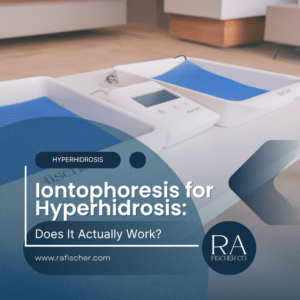
Devices like The Fischer Iontophoresis Device use a gentle electrical current and tap water to essentially “plug” sweat glands, effectively stopping excessive sweating.
More about the Fischer
- Effectiveness: The Fischer boasts a 91-98% success rate in reducing sweat.
- Convenience: Treatments with The Fischer can be done at home, saving time and money compared to clinical alternatives.
- Safety: The Fischer is FDA-cleared and safe for long-term use.
Also: The Fischer vs. Competition: Choosing the Best Hyperhidrosis Treatment
Where Can I Find Support and Resources for Hyperhidrosis?
Support groups and educational resources can help you manage hyperhidrosis effectively. Two of the most valuable organizations include:
- The International Hyperhidrosis Society (IHHS): Offers resources on treatments, insurance coverage, and the latest research.
- Hyperhidrosis Support Group 💧 Excessive Sweating – Hyperhidrosis Treatment (Facebook Group): Provides forums where individuals can share stories, advice, and support.
These platforms help patients connect with others, share experiences, and stay informed about breakthroughs in treatment options.
Also: Finding The Best Hyperhidrosis Treatment
Don’t let sweat hold you back. Modern solutions like The Fischer iontophoresis device make dry confidence possible.
Confidence is within reach
Hyperhidrosis may cause sweat in unexpected and uncomfortable places, but you don’t have to let it control your life. From understanding the symptoms to exploring proven treatments like iontophoresis, there are solutions to help you manage excessive sweating effectively.

Take the first step by talking to your doctor, exploring resources, and considering at-home solutions like The Fischer Iontophoresis Device. Confidence is within reach—start your journey toward a sweat-free future today.
THE FISCHER
Reach out today
Contact one of our Treatment Specialists today to answer any and all of your questions about the Fischer.
FAQs: Important Questions About Hyperhidrosis
Can hyperhidrosis affect the groin area?
Yes, hyperhidrosis can affect the groin, inner thighs, and pubic area. This is less common but still treatable.
What is iontophoresis, and how does it work?
Iontophoresis uses mild electrical currents and the minerals in tap water to block sweat glands temporarily, reducing excessive sweating in the hands, feet, and underarms.
Is hyperhidrosis dangerous to my health?
Hyperhidrosis is not life-threatening, but it can significantly impact quality of life. Managing it with proven treatments like The Fischer iontophoresis device can restore confidence and comfort.
Can I treat hyperhidrosis at home?
Yes, at-home treatments like The Fischer iontophoresis device allow you to manage hyperhidrosis conveniently and effectively.
What’s the difference between primary and secondary hyperhidrosis?
Primary hyperhidrosis occurs without a medical cause, while secondary hyperhidrosis is triggered by an underlying medical condition or medication.